
Access Restricted for EU Residents
You are attempting to access a website operated by an entity not regulated in the EU. Products and services on this website do not comply with EU laws or ESMA investor-protection standards.
As an EU resident, you cannot proceed to the offshore website.
Please continue on the EU-regulated website to ensure full regulatory protection.
Thursday Mar 19 2026 09:00

16 min

Commodity CFDs explained: Trading commodities through Contracts for Difference (CFDs) has become increasingly popular among traders due to its flexibility and potential for profit.
Commodity market today: Among these commodities, gold is a favored asset for many. This article will explore how to trade gold CFDs, specifically focusing on the UAE market.
Definition
Contracts for Difference (CFDs) are financial derivatives that allow traders to speculate on the price movement of an asset without owning the asset itself. A CFD is an agreement between a trader and a broker to exchange the difference in the price of a financial asset between the opening and closing of the contract.
How CFDs Work
When trading CFDs, a trader can go "long" or "short." Going long means the trader believes the asset's price will rise, while going short indicates a prediction that the price will fall. The trader profits from the difference between the opening and closing prices of the CFD.
Benefits of Trading CFDs
Types of Commodity CFDs

Energy CFDs: These include crude oil, natural gas, and renewable energy sources. Energy prices can be highly volatile, influenced by geopolitical events and changes in supply and demand.
Agricultural CFDs: Comprising crops like wheat, corn, and soybeans, these are affected by weather conditions, seasonal variations, and global demand.
Metal CFDs: Apart from gold, metals like silver, platinum, and copper fall into this category. Their prices are influenced by industrial demand and macroeconomic factors.
Importance of Gold in the Market
Gold has historically been viewed as a store of value and a hedge against inflation. Its unique properties, including durability and divisibility, make it valuable for various purposes, including jewelry, industrial applications, and investment.
Factors Influencing Gold Prices
Several factors can influence gold prices:
Supply and Demand: The interplay between gold supply (from mining and recycling) and demand (from investors and manufacturers) affects prices.
Economic Indicators: Economic data such as inflation rates, employment figures, and GDP growth can influence perceptions of gold's value.
Geopolitical Events: Political stability, conflicts, and changes in governmental policies can lead to fluctuations in gold prices as traders seek refuge in safer assets.
Currency Strength: The value of major currencies, particularly the US dollar, often inversely affects gold prices. A weaker dollar typically leads to higher gold prices.

Historical Trends in Gold Prices
Gold prices have a long history of fluctuation influenced by various global events. The precious metal has historically seen price increases during economic downturns or periods of high inflation, making it an essential commodity in the investment landscape.
Gold’s Role in a Diversified Portfolio
Gold can act as a stabilizing force in a diversified portfolio. When stocks and bonds may be underperforming, gold can offer protection and help preserve capital. Allocating a portion of an investment portfolio to gold can reduce overall portfolio volatility.
Gold CFDs, or Contracts for Difference, are financial instruments that enable traders to speculate on the price movements of gold without needing to own the physical metal itself. With gold CFDs, traders can take advantage of price fluctuations in the gold market by either going long (buying) when they anticipate a price increase or going short (selling) when they expect a decrease.
This trading method provides several benefits, including the ability to utilize leverage, which allows traders to control larger positions with a smaller capital outlay, potentially amplifying their gains; however, it also raises the risk of significant losses.
Trading gold CFDs ensures access to the commodity market without the need for holding or managing physical gold, offering more convenience and flexibility. Moreover, CFDs often come with lower transaction costs compared to traditional gold investments, making them an appealing choice for both seasoned traders and newcomers.

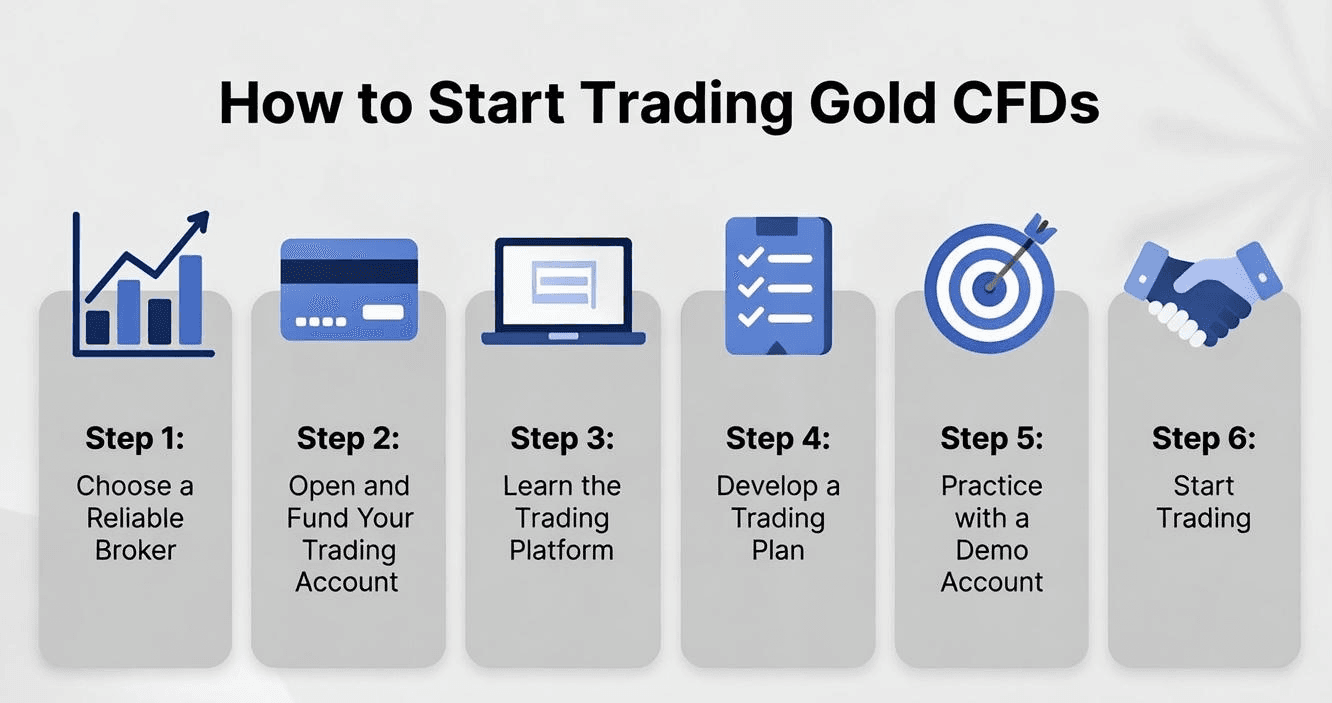
How to Trade Gold CFDs
Select a Broker: Choose a brokerage that offers gold CFDs. Ensure the broker is regulated and has a good reputation in the market.
Open an Account: Sign up with your chosen broker and complete any necessary verification processes.
Deposit Funds: Add funds to your trading account using your preferred payment method.
Choose a Trading Platform: Familiarize yourself with the trading platform provided by the broker. Many brokers offer demo accounts to practice trading without risk.
Analyze the Market: Use technical and fundamental analysis to gauge the price movements of gold.
Place a Trade: Decide whether to go long or short based on your analysis and place your trade accordingly.
Strategies for Trading Gold CFDs
Technical Analysis: Utilize charts and indicators to identify trends, patterns, and entry/exit points for trades. Popular indicators include moving averages, Relative Strength Index (RSI), and MACD.
Fundamental Analysis: Stay updated on economic news and events that can affect gold prices. Economic calendars can help track important releases.
News Trading: React to market-moving news such as changes in monetary policy, economic reports, and geopolitical events to capitalize on price volatility.
Swing Trading: This strategy involves holding positions for several days or weeks to profit from expected short- to medium-term swings.

Common Mistakes to Avoid When Trading Gold
Lack of Research: Failing to conduct thorough research or analysis before trading can lead to poor decisions.
Over-leveraging: Using excessive leverage can amplify losses, so it’s crucial to use leverage wisely.
Ignoring Economic Indicators: Neglecting to monitor key economic reports can result in missed opportunities or unforeseen losses.
Emotional Trading: Letting emotions dictate trading decisions can lead to impulsive actions and significant losses.
Key Considerations
When selecting a broker for trading gold CFDs, consider the following:
Why Choose markets.com?

Markets.com is recommended as one of the best gold CFD brokers for several reasons:
Regulation and Security: Markets.com is regulated by reputable financial authorities, ensuring safety for participants.
Wide Range of Assets: Alongside gold, the platform offers a diverse selection of CFDs across commodities, stocks, indices, and currencies.
User-Friendly Platform: The trading platform is intuitive and equipped with various tools for analysis and trading.
Educational Resources: The broker provides educational materials, webinars, and market analysis to enhance trader knowledge.
Account Types and Features
Markets.com offers multiple account types to cater to different trading styles and experiences. Features may include:
Tutorials and Webinars: Access to educational content tailored to both beginners and experienced participants.
Demo Accounts: Practice trading with virtual funds to familiarize yourself with the platform.
Risk Management Tools: Features such as stop-loss and take-profit orders help manage trading risk.
5. Step-by-Step Guide to Trading Gold CFDs on markets.com
Understanding Risks
Trading gold CFDs carries various risks, including market volatility, leverage risks, and geopolitical risks. Awareness of these risks can help traders manage their exposure effectively.
Strategies for Effective Risk Management
Leverage Management: Use leverage cautiously to avoid large losses. A lower leverage ratio can help manage risk better.

Diversification: Consider diversifying your trading portfolio to reduce reliance on a single asset.
Regular Updates: Stay informed about market trends and economic indicators that could impact gold prices.
Using Stop-Loss and Take-Profit Orders
Stop-Loss Orders: This tool automatically closes a trade at a predetermined price to limit losses. It is essential for managing risk, especially in volatile markets.
Take-Profit Orders: These orders automatically close a position once it reaches a specific profit level, ensuring that gains are locked in before market fluctuations can reduce them.
The Importance of Trading Psychology
Risk management isn't just about numbers; it also involves trading psychology. Understanding your emotional responses to market movements can aid in more disciplined trading. Here are some tips:

Stay Detached: Aim to separate your emotions from trading decisions. Creating a solid trading plan and sticking to it can help.
Avoid Overtrading: Resist the urge to overtrade based on emotional reactions. Set clear trading rules.
Continuous Learning: Engage in self-reflection and trading review sessions. Understanding past trades can improve future performance.
Trading gold CFDs provides a flexible and accessible way to engage with this valuable commodity. With a thorough understanding of the market and a reliable broker like markets.com, traders can navigate the complexities of gold trading effectively.
By considering key factors, employing sound trading strategies, and maintaining robust risk management practices, individuals can enhance their trading experience and outcomes. Moreover, staying updated on global economic events and market dynamics will contribute to informed trading decisions.
As always, continued education and market awareness remain essential for success in the dynamic world of CFD trading. With dedication, practice, and the right tools, trading gold CFDs can be a rewarding endeavor.
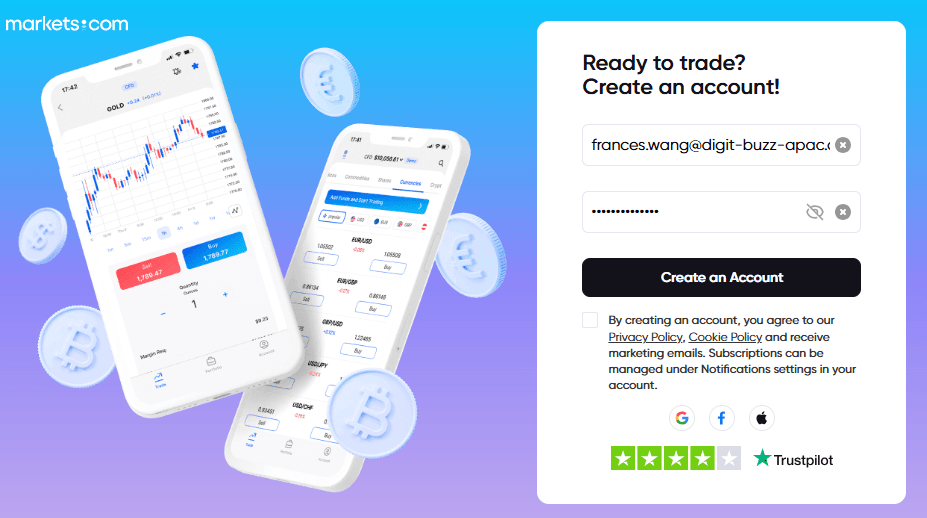
Looking to trade gold CFDs? Choose Markets.com for a user-friendly platform, competitive spreads, and a wide range of assets. Take control of your trading journey today! Sign up now and unlock the tools and resources you need to succeed in the exciting world of CFDs. Start trading!
Risk Warning: this article represents only the author’s views and is for reference only. It does not constitute investment advice or financial guidance, nor does it represent the stance of the Markets.com platform.When considering shares, indices, forex (foreign exchange) and commodities for trading and price predictions, remember that trading CFDs involves a significant degree of risk and could result in capital loss.Past performance is not indicative of any future results. This information is provided for informative purposes only and should not be construed to be investment advice. Trading cryptocurrency CFDs and spread bets is restricted for all UK retail clients.
Latest
View all
Thursday, 19 March 2026
15 min

Wednesday, 18 March 2026
16 min

Monday, 16 March 2026
8 min

Thursday, 19 March 2026
Indices
NIO stock trading guide 2026: How to buy NIO stock from South Africa (ZA)?

Wednesday, 18 March 2026
Indices
Commodity CFDs explained: How to trade the price of gold (XAU) CFDs online in UAE?


 EN
EN





