
Access Restricted for EU Residents
You are attempting to access a website operated by an entity not regulated in the EU. Products and services on this website do not comply with EU laws or ESMA investor-protection standards.
As an EU resident, you cannot proceed to the offshore website.
Please continue on the EU-regulated website to ensure full regulatory protection.
Monday Mar 16 2026 08:55

19 min

Crypto trading for beginners: Cryptocurrency trading has gained prominence in the UAE, especially in Dubai, where regulatory frameworks support the growth of digital currencies.
This guide will help beginners understand how to trade Bitcoin (BTC/USD) effectively in the UAE, highlighting essential concepts, strategies, and practical steps to follow.
What is Cryptocurrency?
Cryptocurrency is a digital or virtual form of currency that relies on cryptography for security. Unlike traditional currencies, cryptocurrencies operate on decentralized networks based on blockchain technology. This decentralization means they are not controlled by any central authority, such as a government or financial institution.
Bitcoin: The Pioneer Cryptocurrency
Bitcoin, invented in 2008 by an anonymous individual or group using the pseudonym Satoshi Nakamoto, is the first and most widely recognized cryptocurrency. It introduced the concept of blockchain technology and has paved the way for thousands of other cryptocurrencies.

Bitcoin serves various purposes, including a medium of exchange, a store of value, and a means of transferring assets. Its decentralized nature gives users more control over their finances compared to traditional banking systems, making it appealing in regions with unstable currencies or economic uncertainty.
Growth Potential
Bitcoin has demonstrated substantial price appreciation since its inception. Its potential for high returns continues to attract traders and market participants. Historical data shows substantial upward movements, leading many to view Bitcoin not just as a currency but as an asset class.
Market Liquidity
Bitcoin is among the most traded cryptocurrencies globally, ensuring that traders can enter and exit positions with relative ease. High liquidity helps minimize the impact of price fluctuations, making it easier to execute trades at desired prices.
Diversification
Including Bitcoin in a portfolio can provide diversification benefits, as it often behaves differently than traditional financial assets like stocks and bonds. This unique correlation can help mitigate risks in times of market volatility.
Hedging Against Inflation
As central banks print more money, some see Bitcoin as a hedge against inflation due to its limited supply. In economically uncertain times, many turn to Bitcoin as a store of value, similar to gold.

Regulatory Landscape
Before trading Bitcoin in the UAE, it’s essential to understand the regulatory landscape. The UAE has made strides to regulate cryptocurrencies, supporting their safe and secure use. The Dubai Multi Commodities Centre (DMCC) Free Zone has established a regulatory framework that enables crypto companies to operate legally.
Choosing a Broker
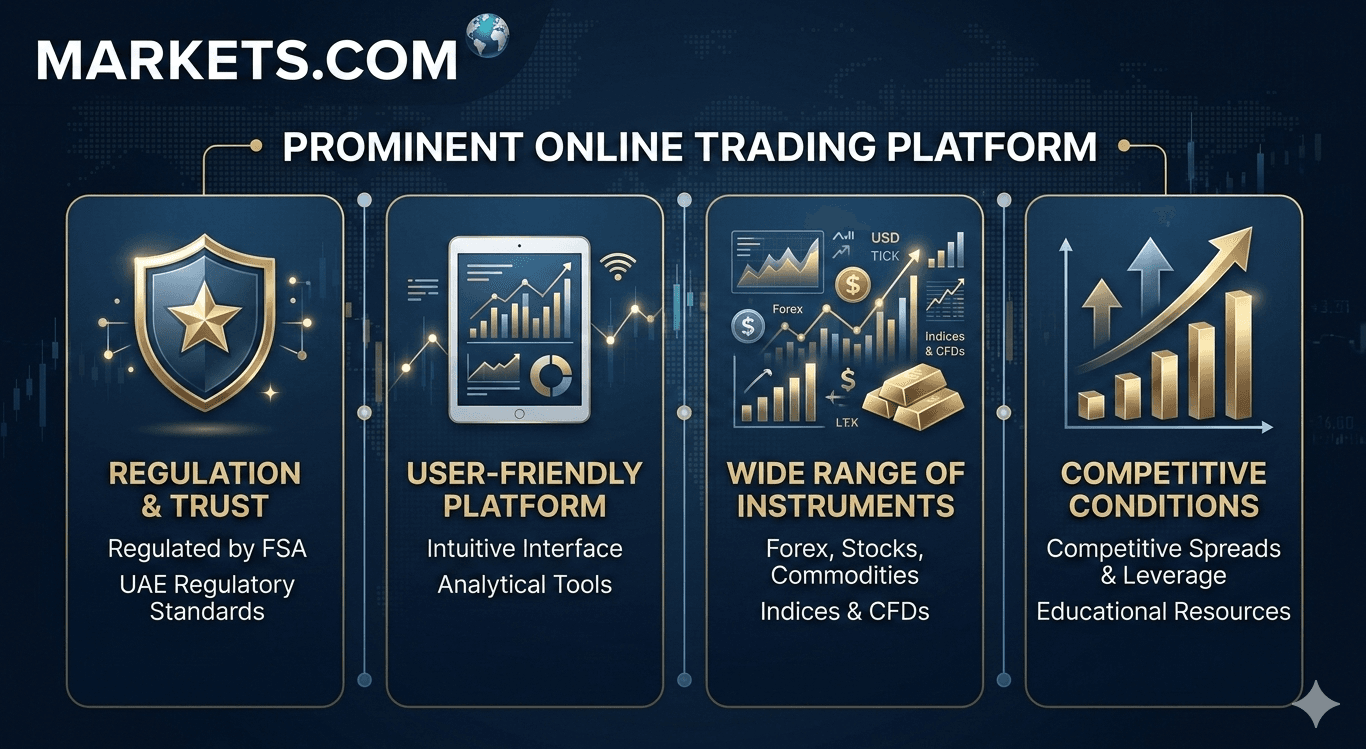
Selecting a reliable cryptocurrency CFD broker is crucial for successful trading. One of the top recommendations is Markets.com, known for its robust trading features, user-friendly interface, and security.
Why Markets.com?
Wide Range of Cryptocurrencies: Besides Bitcoin CFDs, Markets.com offers various cryptocurrencies for CFD trading, giving users many options.
User-Friendly Platform: The platform is designed for both beginners and experienced traders, making it easy to navigate.
Educational Resources: Markets.com provides educational content that can help traders understand the market better.
Security: The broker employs advanced security measures to protect user data and funds, including two-factor authentication and encryption.
Creating an Account
To get started with CFD trading Bitcoin on Markets.com, follow these steps:
Registration: Visit the Markets.com website and fill out the registration form with your personal details.
Verification: Submit necessary identification documents for account verification. This is essential for compliance with regulatory requirements.
Funding Your Account: Once your account is verified, deposit funds using various available payment methods, such as bank transfers, credit/debit cards, or even other cryptocurrencies.

Having a secure cryptocurrency wallet is essential for storing your Bitcoin. There are several types of wallets, each with different levels of security and convenience.
Hardware Wallets: These are physical devices that store your cryptocurrency offline. They offer the highest level of security against hacks and theft.
Software Wallets: Applications that allow you to hold and manage your Bitcoin online. While more convenient for trading, they are also more vulnerable to hacks.
Paper Wallets: A method of storing Bitcoin as a printed QR code. While highly secure if kept safe, the complexity of managing paper wallets makes them less popular.
Mobile Wallets: Wallets designed for smartphones. They provide quick access to cryptocurrency but are generally less secure than hardware wallets.
Market Orders vs. Limit Orders
When trading Bitcoin, you’ll encounter different order types. Understanding these can help you execute trades more effectively:
Understanding the difference between these two order types can help you manage your trades more effectively.
Candlestick Charts
Candlestick charts are a popular tool among traders for analyzing price movements. Each candlestick represents the price action over a specific timeframe, indicating opening, closing, high, and low prices.

source: tradingview
Reading Candlestick Patterns: Each candlestick can indicate market sentiment. For instance, a long green candlestick suggests buying pressure, while a long red candlestick indicates selling pressure.
Trends: Multiple candlesticks can reveal trends and patterns, such as bullish or bearish trends, helping traders make informed decisions.
Indicators and Tools
Various trading indicators can assist in analyzing market trends:

Moving Averages: Used to smooth out price data to identify the direction of the trend.
Relative Strength Index (RSI): A momentum oscillator that measures the speed and change of price movements, helping identify overbought or oversold conditions.
Bollinger Bands: These bands create a range around the price action, indicating potential volatility and trends.
Incorporating these tools into your trading strategy can enhance your analysis and decision-making.
Fundamental Analysis
Fundamental analysis involves evaluating the various factors that can influence the price of Bitcoin:
Market Demand: Increased interest and adoption generally lead to higher prices. Tracking the number of users or transactions can provide insight into market health.
Regulatory News: Announcements regarding new regulations can have immediate impacts on Bitcoin’s value, making it essential to stay informed about developments in the UAE and globally.

Technological Developments: Innovations and upgrades within the Bitcoin network (such as Bitcoin halving events) can affect usability and price.
Macroeconomic Factors: Economic data such as inflation rates, interest rates, and fiscal policies can influence overall market sentiment and Bitcoin’s attractiveness as an asset class.
Technical Analysis
Technical analysis focuses on historical price patterns and market trends. Tools and charting techniques can help traders identify potential entry and exit points:
Support and Resistance Levels: Understanding these levels can guide traders on where to enter or exit trades.
Trend Lines: Drawing trend lines can help determine the direction of market movement and potential reversal points.
Volume Analysis: Monitoring trading volumes can provide insights into the strength of price movements. Higher volumes during price increases may indicate a strong trend.

Day Trading
Day trading involves making multiple trades within a single day to capitalize on short-term price movements. This strategy requires a solid understanding of technical analysis and a keen eye on market trends. Successful day traders monitor charts and indicators closely, executing trades frequently.
Swing Trading
Swing trading involves holding positions over several days or weeks to capture price swings. This strategy allows for more time to analyze market trends and reduces the stress of day trading. Swing traders typically aim for larger price movements, planning trades around earnings reports, news events, or technical indicators.
HODLing
HODLing refers to holding onto Bitcoin for the long term, regardless of short-term market fluctuations. This strategy is based on the belief that Bitcoin’s value will increase over time. HODLers focus on Bitcoin’s fundamentals and long-term potential rather than short-term volatility.
Arbitrage
Arbitrage involves exploiting price differences between exchanges. Traders buy Bitcoin at a lower price on one exchange and sell it at a higher price on another, generating profit from the price discrepancy. This strategy demands quick decision-making and efficient execution.
Market Volatility
The cryptocurrency market is notoriously volatile; prices can fluctuate dramatically within short periods. This volatility can lead to potential losses, making risk management essential. Understanding market cycles and preparing for price reversals can help mitigate this risk.

Regulatory Risks
Changes in regulations can impact the trading environment significantly. It’s critical to stay updated on regulatory developments that may affect Bitcoin trading in the UAE. Governments may implement new rules, introduce taxation, or even restrict certain types of trading practices.
Security Risks
Cryptocurrency exchanges are often targets for hackers. Using reputable platforms such as Markets.com and implementing security practices like two-factor authentication can help safeguard your funds. Additionally, consider storing cryptocurrencies in hardware wallets for enhanced security.
Emotional Trading
Emotional decision-making can lead to unwise trading choices. Establishing a trading plan based on analysis rather than emotions is essential for success. Keeping a trading journal can also help reflect on trading decisions and improve future performance.
Over-Leverage
Many brokers offer leverage to amplify trading positions. While leverage can increase potential profits, it also raises the risk of significant losses. Beginners should approach leverage with caution and use it judiciously.
Start Small
Begin with a small investment to familiarize yourself with the trading environment. As you gain experience, you can gradually increase your investment. This approach minimizes risk while allowing you to learn about market dynamics.
Continuous Learning
The cryptocurrency market is constantly evolving. Stay informed about market trends, technological advancements, and trading strategies through educational resources, tutorials, and webinars. Many CFD brokers, including Markets.com, offer educational content tailored for beginners.
Use Stop-Loss Orders
Implement stop-loss orders to limit potential losses. A stop-loss order automatically sells your Bitcoin when it reaches a predetermined price, protecting your investment from significant declines. This tool is essential for managing risk in volatile markets.
Keep Emotions in Check
Set clear goals and stick to your trading plan. Avoid making impulsive decisions based on fear or greed, as these emotions can lead to poor trading outcomes. Establishing a strategy and following it can greatly improve your chances of success.
Diversify Your Portfolio
While Bitcoin is a leading cryptocurrency, consider diversifying your portfolio with other digital assets. This approach can reduce risk and open up new avenues for potential returns. Explore strong altcoins or different asset classes to spread your risk more effectively.

Trading Bitcoin in Dubai: Local Resources
Crypto Wallets
A cryptocurrency wallet is crucial for storing your Bitcoin securely. There are several types of wallets available:
Hardware Wallets: Physical devices that store your cryptocurrency offline for enhanced security.
Software Wallets: Applications that allow you to hold and manage your Bitcoin online. Ensure you choose a reputable wallet with strong security features.
Paper Wallets: A method of storing Bitcoin as a printed QR code. While highly secure if kept safe, managing paper wallets can be complex.
Mobile Wallets: Wallets designed for smartphones. They provide quick access to cryptocurrency but are generally less secure than hardware wallets.
Local Exchanges
While Markets.com is an excellent option for trading Bitcoin CFDs, it's also worth exploring local exchanges in Dubai that comply with regulations. Conduct thorough research to find exchanges with a solid reputation and transparent fee structures.
Community and Networking
Engaging with the local cryptocurrency community can provide valuable insights and support. Attend meetups, seminars, or workshops focused on cryptocurrency and blockchain technology. Online communities and forums can also be excellent resources for sharing knowledge and experiences with fellow traders.
Growing Acceptance
As acceptance of Bitcoin continues to grow in the UAE, businesses are beginning to accept cryptocurrency as a form of payment. This trend is encouraging further investment and adoption. Major retailers and service providers are exploring ways to integrate Bitcoin payments into their systems.
Regulatory Developments
The UAE government has expressed interest in becoming a leader in blockchain technology. Future regulatory developments may create a more structured environment for cryptocurrency trading, benefiting traders and users alike. Regulatory clarity can enhance trust and foster greater market participation.
Technological Integration
With advancements in blockchain technology and related fields, Bitcoin’s future depends on its adaptability. Enhanced scaling solutions and interoperability between different blockchains may contribute to higher usability and acceptance. Technology companies are investing in research to improve transaction speeds and lower costs, further enhancing Bitcoin’s appeal.
Institutional Adoption
The increasing acceptance of Bitcoin by institutions and corporations is a notable trend. As more companies begin to allocate portions of their treasury to Bitcoin, it can lead to a surge in demand and potentially stabilize its price.
Bitcoin (BTC) has captivated traders globally, and trading Bitcoin through Contracts for Difference (CFDs) has become a popular option. This method provides a unique way to engage with Bitcoin’s price movements without owning the underlying asset. Here’s a comprehensive look at BTC CFD trading for beginners.

What is a CFD?
A Contract for Difference (CFD) is a financial instrument that allows traders to speculate on the price movements of an asset without actually buying or selling the asset itself. When you trade Bitcoin CFDs, you essentially enter into an agreement with a broker to exchange the difference in price of Bitcoin from the time the contract is opened to when it is closed.
Key Features of BTC CFD Trading
Leverage: One of the most attractive features of CFD trading is the ability to use leverage. This means you can control a larger position with a smaller amount of capital. While this can amplify potential profits, it also increases the risk of significant losses.
No Ownership of Bitcoin: With CFDs, you do not own the actual Bitcoin; you are only speculating on its price movements. This approach eliminates the need for wallets, security concerns, and traditional trading fees associated with buying and selling the cryptocurrency.
Short Selling: BTC CFD trading allows you to speculate on both rising and falling markets. You can open a long position if you believe the price will increase or a short position if you think it will decrease. This flexibility offers opportunities in various market conditions.
Bitcoin trading in the UAE offers exciting potential for those willing to educate themselves and engage thoughtfully with the market. By choosing a reputable CFD broker like Markets.com, understanding trading strategies, and staying informed about market trends and regulations, beginners can embark on a successful trading journey.
As the cryptocurrency landscape evolves, continuous learning and adapting to changes will be crucial for navigating this dynamic environment. With careful planning and execution, trading Bitcoin can be a rewarding endeavor. Building a solid foundation of knowledge and implementing effective trading practices will empower you to thrive in the fast-paced world of cryptocurrency trading.
Looking to trade BTC CFDs? Choose Markets.com for a user-friendly platform, competitive spreads, and a wide range of assets. Take control of your trading journey today! Sign up now and unlock the tools and resources you need to succeed in the exciting world of CFDs. Start trading!
Risk Warning: This article is provided for informational purposes only and does not constitute investment advice, investment research, or a recommendation to trade. The views expressed are those of the author and do not necessarily reflect the position of Markets.com. When considering shares, indices, forex (foreign exchange), and commodities for trading and price predictions, remember that trading CFDs involves a significant degree of risk and may not be suitable for all investors. Leveraged products can result in capital loss. Past performance is not indicative of future results. Before trading, ensure you fully understand the risks involved and consider your investment objectives and level of experience. Cryptocurrency CFD trading restrictions may apply depending on jurisdiction.
Latest
View all
Tuesday, 23 June 2026
35 min

Tuesday, 23 June 2026
36 min

Monday, 22 June 2026
15 min


 EN
EN





