
Hedge Fund Performance Reeling from Geopolitical Shockwaves and Market Tumult

Introduction: The Unforeseen Conflict and Financial Turmoil

The past month has seen a sudden and intense escalation of conflict between the United States and Iran, catching many hedge funds off guard and exposing them to their most substantial losses since the initial economic standstill at the onset of the COVID-19 pandemic in March 2020. The flagship hedge fund performance index from data provider HFR registered a steep 3.1% decline, marking its largest monthly drop in six years. This period has been characterized by extreme market volatility, often exacerbated by unpredictable geopolitical developments.

Navigating Extreme Volatility and Soaring Oil Prices

Hedge funds have been grappling with a turbulent market landscape, where price swings have frequently been triggered by unexpected geopolitical events. The recent conflict, which saw Iran blocking crucial oil shipping lanes through the Strait of Hormuz, sent international oil prices soaring to over $110 per barrel at their peak. This surge in energy costs created ripple effects across various asset classes, posing significant challenges for portfolio managers.

The Whims of Geopolitics: From De-escalation Hopes to Sudden Ceasefires

Adding to the market's uncertainty, pronouncements from political leaders have further amplified volatility. Just days after threats were made to "end" Iranian civilization, a sudden announcement of a 14-day ceasefire agreement sent shockwaves through the markets. This abrupt shift in sentiment had a dramatic impact, leading to a sharp decline in Brent crude prices and triggering significant rebounds in equity and bond markets. The unpredictability inherent in such geopolitical maneuvering left many market participants feeling adrift.

A Manager's Quandary: Unprecedented Uncertainty in Investment Outlook

The sentiment among seasoned financial professionals reflects the prevailing unease. One macro hedge fund manager, with four decades of experience in managing money, expressed an unprecedented lack of confidence in future market direction. This sentiment underscores the difficulty of formulating long-term investment strategies in an environment dominated by unpredictable geopolitical events.

Major Players Hit by Market Swings: Citadel, Millennium, and Balyasny Experience Declines

Leading hedge funds, including Ken Griffin's Citadel, Izzy Englander's Millennium Management, and Dmitry Balyasny's eponymous fund, all saw their flagship funds experience declines in March. Reports indicate losses of 1.9%, 1.2%, and 4.3% respectively. These figures, while varied, paint a picture of a challenging month for even the most sophisticated investment firms.

Macro Funds Bear the Brunt: The Yield Curve Trade Unravels

The most significant pain was felt by macro hedge funds, which typically bet on economic trends through trading in assets like bonds and currencies. Prior to the conflict, the market was anticipating interest rate cuts, fostering a positive outlook. However, the outbreak of hostilities quickly shifted sentiment towards inflation fears, leading to the rapid pricing-in of multiple rate hikes. This dramatic 180-degree turn in expectations proved disastrous for strategies that bet on a steeper yield curve (i.e., expecting short-term bonds to outperform long-term bonds), resulting in substantial losses. Insiders from a large multi-manager hedge fund described the impact on the interest rate market as "brutal."

Even Safe Havens Falter: Gold Fails to Provide Solace

Even traditional safe-haven assets, typically sought after during times of extreme turmoil, failed to shield hedge funds from the market's relentless fluctuations. Gold, usually a reliable hedge, was unable to fully offset the losses incurred elsewhere in portfolios. Funds like London-based Cupsilon Macro Fund saw a significant 15% drop by March 20th, while Citadel's fixed income fund, GFI, declined by 8.2% in March. ExodusPoint, a multi-manager hedge fund specializing in macro bets and bond trading, lost 4.5% during the month, and Brevan Howard's main fund experienced a 6.6% decrease.

The Oil Trade Paradox: Profits Eclipsed by Bond Losses

Kenneth Heinz, President of HFR, noted that while many large hedge funds did profit from their oil holdings, these gains were unfortunately overshadowed by larger losses in other positions, particularly bonds. "The profits made from going long oil could not compensate for the immense hole left by the instantaneous reversal of market expectations," he stated. The swift repricing of the market, moving away from expectations of dovish rate cuts and positive economic growth scenarios for 2026, caught many off guard and contributed to the significant financial setbacks.

Looking Ahead: Adapting to Persistent Uncertainty

The events of the past month serve as a stark reminder of the inherent risks in global financial markets, particularly in an era of heightened geopolitical tension. Hedge funds will need to adapt their strategies, focusing on robust risk management and diversification, to navigate the ongoing uncertainty and protect capital in this volatile environment.

Risk Warning: This article is provided for informational purposes only and does not constitute investment advice, investment research, or a recommendation to trade. The views expressed are those of the author and do not necessarily reflect the position of Markets.com. When considering shares, indices, forex (foreign exchange), and commodities for trading and price predictions, remember that trading CFDs involves a significant degree of risk and may not be suitable for all investors. Leveraged products can result in capital loss. Past performance is not indicative of future results. Before trading, ensure you fully understand the risks involved and consider your investment objectives and level of experience. Cryptocurrency CFD trading restrictions may apply depending on jurisdiction.

Latest news

Tuesday, 11 August 2026

Indices

Gold Price Today, August 12, 2026: XAU/USD Rises 0.5% Near $4,400 Ahead of US CPI

What Factors Drive Crude Oil Price Fluctuations

Tuesday, 11 August 2026

Indices

Oil Nears $90 as Fading U.S.-Iran Deal Hopes Renew Hormuz Supply Fears
nio stock news today

Tuesday, 11 August 2026

Indices

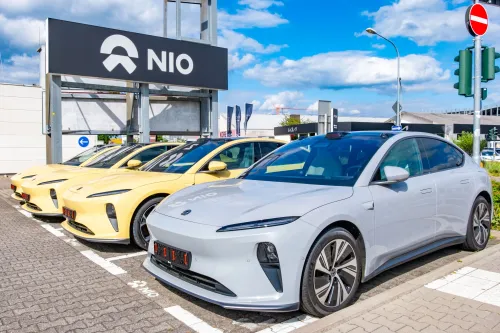
NIO Stock News Today: Shares Slide as BlackRock Trims Stake Despite Record ES9 Demand

sk-hynix

Tuesday, 11 August 2026

Indices

U.S. Stocks Fall as SpaceX Drops 3.9%, While SK Hynix Jumps 4.7%

USD/JPY forecast

Tuesday, 11 August 2026

Indices

USD to JPY Exchange Rate May Have Peaked, Eurizon Sees Yen Strengthening to 125

supermicro-stock

Tuesday, 11 August 2026

Indices

Supermicro Stock Rallies as Margin Recovery and FY2027 Outlook Eclipse Q4 Revenue Miss

jpy

Tuesday, 11 August 2026

Indices

Yen Nears 160 as Intervention Risk Returns to Currency Markets

Tuesday, 11 August 2026

Indices

US CPI Preview: Softer July Inflation Could Reduce Fed Rate Hike Bets

btc-usd-price-bitcoin

Tuesday, 11 August 2026

Indices

Bitcoin Price Falls Below $64,000 as Hormuz Tensions and Strategy Sales Weigh

Tuesday, 11 August 2026

Indices

CoreWeave Stock Soars 16% as Q2 Revenue Doubles and Backlog Reaches $104 Billion

